
Chess Training for Beginners: A Complete Step-by-Step Guide
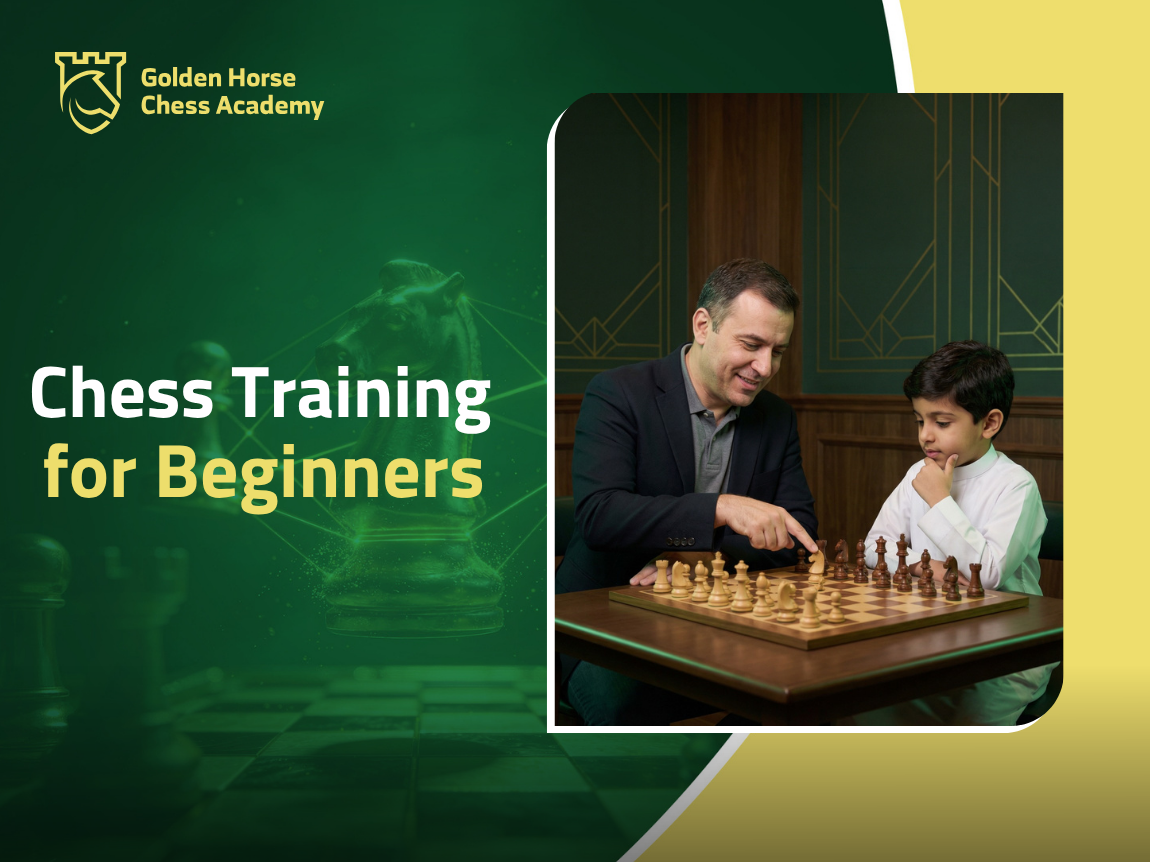
Learning chess is one of the most rewarding intellectual journeys you can take. Chess training for beginners provides the foundation needed to understand the game, develop strategic thinking, and build confidence on the board. Institutions like Golden Horse Academy offer structured programs designed to help new players progress quickly and effectively. With the right approach to chess training for beginners, anyone can transform from a novice into a skilled player.
What is Chess and Why Should You Learn It ?
Chess is a strategic board game played between two players on a checkered board with 64 squares. Each player controls 16 pieces, and the objective is to checkmate the opponent’s king.
Benefits of Learning Chess:
- Improves memory and concentration
- Enhances problem-solving skills
- Develops logical thinking
- Builds patience and discipline
- Boosts decision-making abilities
This is why chess training for beginners is highly recommended for both children and adults.
Understanding the Basics of Chess
Before diving deeper into chess training for beginners, you must understand the fundamentals.
Chess Pieces and Their Roles:
- King: The most important piece
- Queen: The strongest piece
- Rook: Moves in straight lines
- Bishop: Moves diagonally
- Knight: Moves in an L-shape
- Pawn: Moves forward, captures diagonally
Objective of the Game:
The goal is to checkmate your opponent’s king, meaning it cannot escape capture.

Step-by-Step Guide to Learning Chess
A structured approach is essential in chess training for beginners.
1. Learn the Rules
Start with basic rules, piece movements, and game objectives.
2. Practice Regularly
Consistency is key. Play daily games to improve.
3. Solve Chess Puzzles
Puzzles help improve tactical awareness.
4. Analyze Your Games
Review mistakes and learn from them.
Common Mistakes Beginners Should Avoid
During chess training for beginners, many players make similar mistakes:
- Moving the same piece repeatedly in the opening
- Ignoring king safety
- Not controlling the center
- Playing without a plan
- Overlooking opponent threats
Avoiding these mistakes will significantly speed up your progress.
Essential Chess Strategies for Beginners
Control the Center
The center of the board is the most important area.
Develop Your Pieces
Bring your pieces into active positions early.
Protect Your King
Castle early to ensure safety.
Think Before You Move
Always analyze the position before making a move.
These principles are fundamental in chess training for beginners.
Importance of Practice and Consistency
To succeed in chess training for beginners, regular practice is essential.
Daily Practice Routine:
- 20 minutes solving puzzles
- 30 minutes playing games
- 15 minutes reviewing games
Weekly Goals:
- Learn a new opening
- Analyze at least 3 games
- Track your progress
Role of Golden Horse Academy
Golden Horse Academy is a leading platform for structured chess training for beginners.
Key Features:
- Professional coaches
- Step-by-step curriculum
- Online and offline classes
- Personalized feedback
- Competitive tournaments
Their programs are designed to help beginners build a strong foundation and advance quickly.
Online vs Offline Chess Learning
Online Learning:
- Flexible schedule
- Access to global resources
- Interactive tools
Offline Learning:
- Direct interaction with coaches
- Better focus
- Hands-on guidance
A balanced approach is ideal for chess training for beginners.
Tools and Resources for Learning Chess
To enhance your chess training for beginners, use the following tools:
- Chess.com
- Lichess
- Mobile apps
- YouTube tutorials
- Chess books
Learning Chess Openings
Openings set the tone for the game.
Popular Beginner Openings:
- Italian Game
- Sicilian Defense
- King’s Pawn Opening
Understanding openings is a crucial part of chess training for beginners.

Understanding the Middlegame
The middlegame involves planning and tactics.
Key Focus Areas:
- Attacking strategies
- Defensive techniques
- Piece coordination
Improving in this phase is essential for mastering chess training for beginners.
Mastering the Endgame
Endgames determine the final result.
Important Skills:
- King activity
- Pawn promotion
- Checkmate patterns
Endgame knowledge is a vital component of chess training for beginners.
How to Improve Faster in Chess
To accelerate your progress in chess training for beginners:
- Play daily
- Study grandmaster games
- Learn from mistakes
- Get a coach
Chess for Kids
Chess is especially beneficial for children:
- Improves focus
- Enhances creativity
- Builds discipline
This makes chess training for beginners ideal for young learners.
Participating in Chess Tournaments
Competitions are an important part of chess training for beginners.
Benefits:
- Real-game experience
- Handling pressure
- Learning from opponents
Building a Winning Mindset
Success in chess requires the right mindset:
- Patience
- Strategic thinking
- Emotional control
These qualities are developed through consistent chess training for beginners.
The Future of Chess Learning
With technology, chess training for beginners is evolving:
- AI-powered coaching
- Interactive platforms
- Virtual tournaments
Chess training for beginners is not just about learning a game—it’s about developing a powerful way of thinking. With consistent practice, the right resources, and guidance from institutions like Golden Horse Academy, anyone can become a strong chess player.
Start your journey today and unlock your full potential in the world of chess.