
Benefits of Chess for Kids: How the Game Helps Develop Intelligence and Thinking Skills
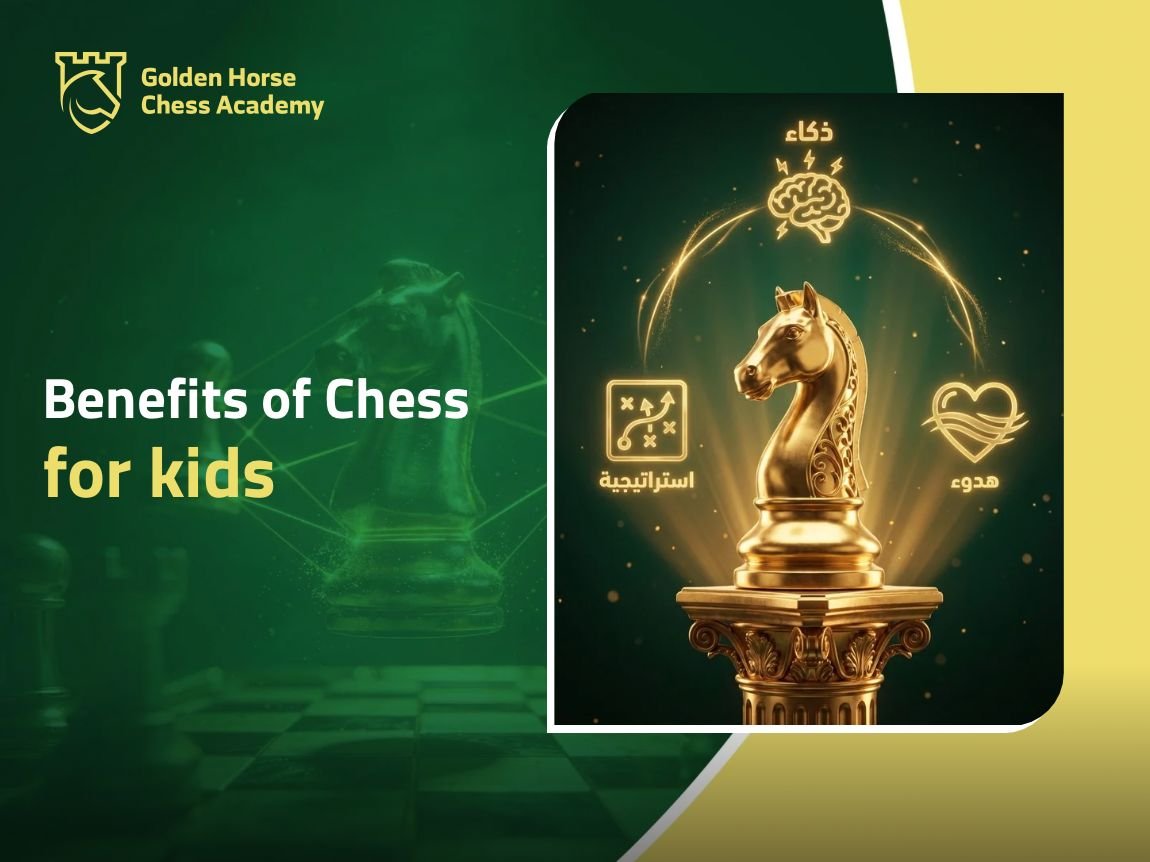
Chess is considered one of the best mental games children can learn at an early age. It is not just a form of entertainment, but a powerful educational activity that helps develop concentration, critical thinking, and decision-making skills in an enjoyable and interactive way.
As parents become more interested in activities that support their children’s mental growth, chess has become an ideal choice for children because of its positive impact on intelligence, analysis, problem-solving, and personality development.
The benefits of chess for kids become increasingly clear with continuous learning and practice, as the game teaches children how to think before acting, plan ahead, stay patient, and develop self-discipline — all essential skills for academic success and daily life.
What Is Chess and Why Is It Beneficial for Children?
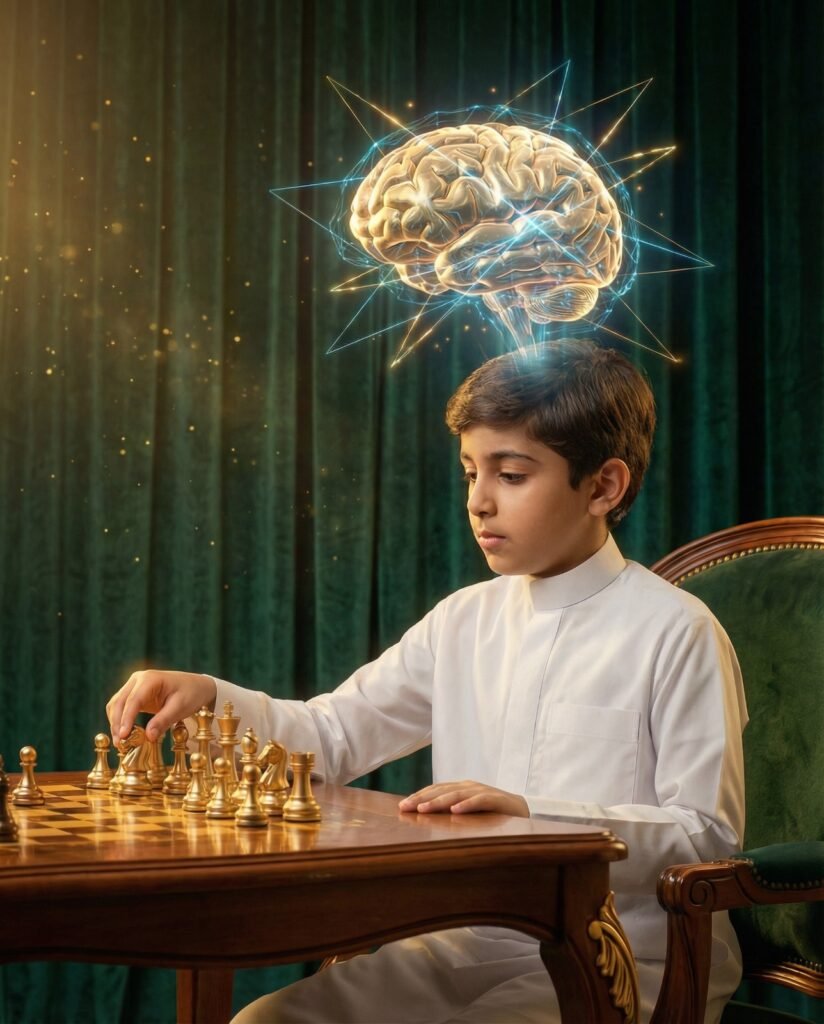
Chess is a strategy-based board game where players move pieces according to specific rules with the goal of achieving checkmate against the opponent’s king. Unlike games that depend on luck, chess relies entirely on thinking, analysis, and decision-making, making it one of the most effective educational games for developing children’s mental abilities. Chess also helps children learn how to think carefully before making decisions and encourages them to deal with situations in a more organized and logical way.How Does Chess Help Develop a Child’s Intelligence?
One of the main benefits of chess for kids is its ability to train the brain continuously through logical thinking and strategic analysis. During every move in the game, children must:- Think about multiple possibilities.
- Predict their opponent’s response.
- Analyze future outcomes.
- Choose the best move before acting.
The Role of Chess in Improving Focus and Attention
Chess requires a high level of concentration because a single move can completely change the outcome of the game. As a result, chess helps children:- Improve concentration for longer periods.
- Reduce mental distractions.
- Pay closer attention to details.
- Focus better during school lessons.
How Does Chess Improve Problem-Solving and Decision-Making Skills?
During chess matches, children face different situations that require quick thinking and choosing the most effective solution from several possibilities. This helps children develop important skills such as:Organized Thinking
Children learn how to break problems into smaller steps and analyze situations logically before making decisions.Smart Decision-Making
Chess teaches children how to compare options and choose the best solution based on expected outcomes.Taking Responsibility for Decisions
Children understand that every decision has consequences, whether positive or negative, which helps them become more responsible and independent thinkers. This is one of the most valuable benefits of chess for kids, as it contributes to building confidence and strong decision-making abilities.The Effect of Chess on Memory and Logical Thinking
Chess relies heavily on remembering moves, strategies, and patterns, which helps strengthen both short-term and long-term memory. The game also improves:- Logical thinking.
- Analytical and reasoning skills.
- Organized thought processes.
- Understanding cause-and-effect relationships.
Benefits of Chess in Building a Child’s Personality
The benefits of chess for kids go beyond intelligence development and also help build a balanced and confident personality.Learning Patience
Children realize that rushing decisions can lead to mistakes, so they learn to think calmly before acting.Accepting Losses Positively
Chess teaches children that losing is part of learning and improvement.Building Self-Confidence
As children improve and achieve success in the game, they develop a stronger sense of confidence in their abilities.Discipline and Respect for Rules
Chess encourages children to follow rules, stay organized, and play fairly. learn about :Chess Training for BeginnersDoes Chess Improve Academic Performance?
Yes, chess can positively affect children’s academic performance because it develops several important learning skills. These include:- Focus and attention.
- Analytical thinking.
- Problem-solving abilities.
- Time management.
- Faster understanding and comprehension.
What Is the Best Age to Teach Chess to Children?
Children can usually start learning chess between the ages of 5 and 6, when their concentration and understanding abilities begin to develop. However, every child is different, so it is important to introduce chess in a simple and enjoyable way that matches the child’s personality and learning pace. Starting at an early age gives children a better opportunity to naturally develop thinking and analytical skills as they grow.How to Teach Chess to Your Child Step by Step
Teaching chess effectively requires a gradual and enjoyable approach.Start with Simple Piece Movements
Introduce the names of the chess pieces and explain how each piece moves in a simple way.Focus on Learning Through Practice
Playing practical games helps children understand faster than theory alone.Avoid Putting Pressure on the Child
Do not criticize mistakes too much in the beginning, as this may reduce motivation.Make Learning Fun
Use educational videos, interactive games, and simple challenges to keep children excited about learning.Common Mistakes Parents Make When Teaching Chess
Forcing the Child to Learn
When chess feels forced, children may quickly lose interest.Focusing Only on Winning
The main goal should be learning and skill development rather than winning every match.Explaining the Game in a Complicated Way
Using advanced strategies or difficult terminology too early may confuse children.Lack of Patience
Learning chess takes time and gradual progress, so continuous encouragement is essential.Best Ways for Kids to Learn Chess Online
Online chess learning has become one of the best educational options for children thanks to modern interactive learning tools. Some of the best methods include:Online Chess Courses
These courses provide simplified lessons and practical exercises suitable for different age groups and skill levels.Joining a Specialized Chess Academy
Chess academies provide structured learning environments and continuous progress tracking.Learning with a Professional Coach
A coach can help correct mistakes quickly and accelerate the child’s development.Golden Knight Academy for Teaching Chess to Kids
If you are looking for a professional and enjoyable way to teach your child chess, Golden Knight Academy is one of the best specialized academies for children’s chess education. The academy combines:- Simplified teaching methods.
- Practical training.
- Strategic thinking development.
- Focus and confidence-building exercises.
Why Do Many Parents Choose Golden Knight Academy?
- Professional coaches specialized in teaching children.
- Programs suitable for all levels.
- Interactive and engaging learning methods.
- Continuous progress monitoring.
- Safe and encouraging educational environment.