
Teaching Chess for Kids: A Complete Guide to Building Young Minds
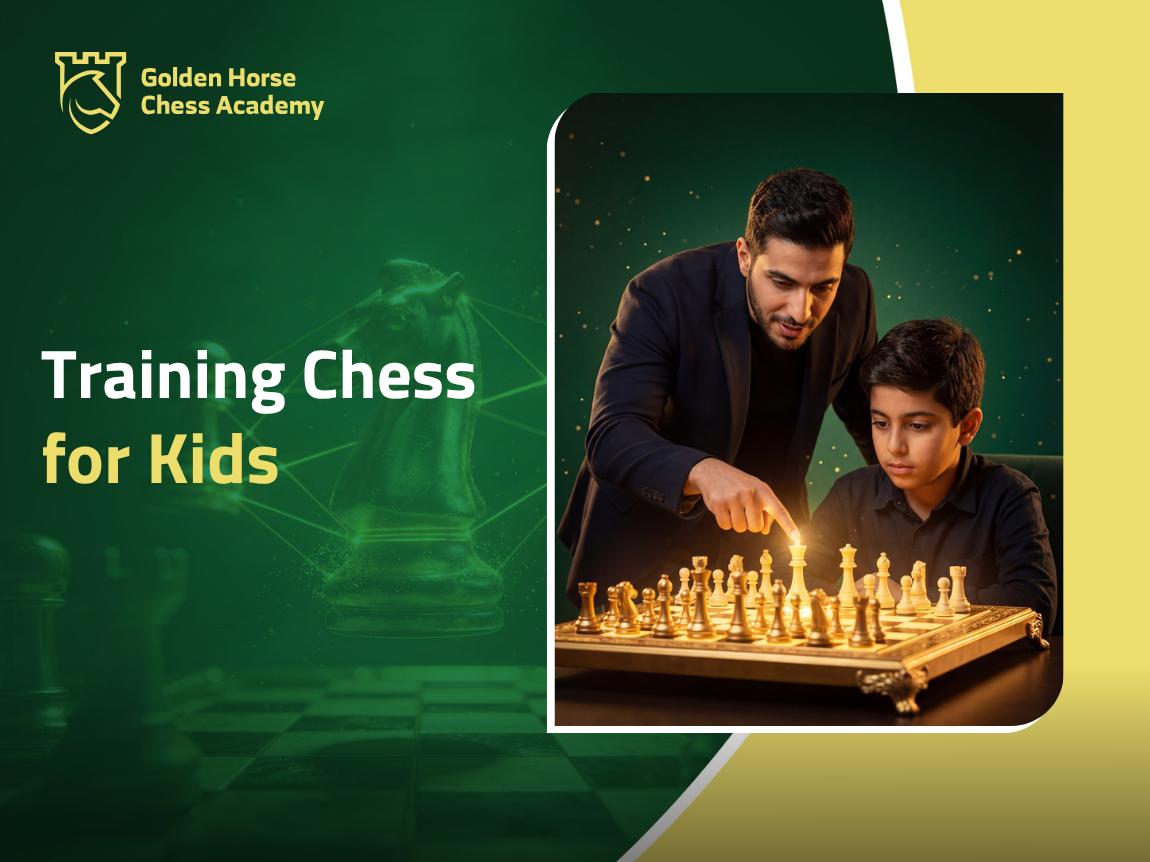
Teaching chess for kids is one of the most effective ways to enhance a child’s cognitive development while keeping them engaged in a fun and challenging activity. With modern educational approaches evolving rapidly, parents and educators are increasingly exploring structured methods like those offered by The Golden Horse Academy, alongside proven strategies in Teaching chess for kids , to create a balanced and enjoyable learning experience. In this comprehensive guide, we will explore everything you need to know about teaching chess to children in a professional, structured, and engaging way.
Why Teaching Chess to Kids Matters
Introducing Teaching chess for kids at an early age provides numerous long-term benefits:
Cognitive Development
- Enhances memory and concentration
- Improves problem-solving abilities
- Encourages logical and analytical thinking
Emotional Growth
- Teaches patience and discipline
- Builds confidence through achievement
- Encourages resilience after losses
Academic Improvement
Studies show that Teaching chess for kids can positively impact math and reading skills.
The Right Age to Start Teaching Chess
Children can begin learning Teaching chess for kids as early as 5–6 years old. At this stage, they are capable of:
- Understanding simple rules
- Following structured instructions
- Engaging in strategic thinking at a basic level
Chess Basics Every Child Should Learn
Before diving deeper into Teaching chess for kids, children must understand the fundamentals:
The Chessboard
- 8×8 grid (64 squares)
- Alternating colors (light and dark)
The Pieces
Each player has 16 pieces:
- King
- Queen
- Rooks
- Bishops
- Knights
- Pawns
Step-by-Step Guide to Teaching Chess to Kids
To effectively implement Teaching chess for kids, follow this structured approach:
1. Introduce the Pieces
Teach names and shapes using visuals and storytelling.
2. Explain Movements
Focus on one piece at a time to avoid confusion.
3. Practice with Mini Games
Use simplified games with fewer pieces.
4. Gradual Progression
Introduce full rules once basics are mastered.
Effective Strategies for Teaching Chess
To maximize success in Teaching chess for kids, consider these techniques:
- Learning through play
- Using storytelling and imagination
- Encouraging experimentation
- Keeping sessions short and fun
The Role of The Golden Horse Academy
The Golden Horse Academy plays a significant role in advancing Teaching chess for kids by offering:
- Structured learning programs
- Professional coaching
- Interactive training environments
- Competitive opportunities
Common Mistakes to Avoid
When applying Teaching chess for kids, avoid:
- Overloading children with information
- Focusing only on winning
- Ignoring fun and creativity
- Being overly critical
Tips for Parents and Educators
To succeed in Teaching chess for kids, follow these tips:
- Make learning enjoyable
- Use visual aids and apps
- Encourage regular practice
- Celebrate small achievements
Tools That Help Kids Learn Chess
Enhance Teaching chess for kids using:
- Mobile apps
- Online platforms (like Chess.com)
- Interactive videos
- Illustrated books
30-Day Learning Plan
Week 1:
- Learn board and pieces
Week 2:
- Understand movements
Week 3:
- Play simple games
Week 4:
- Learn basic strategies
How Chess Improves Academic Performance
Research confirms that Teaching chess for kids helps:
- Strengthen mathematical thinking
- Improve focus in class
- Develop logical reasoning
Differences Between Teaching Kids and Adults
| Aspect | Kids | Adults |
| Learning Style | Playful | Analytical |
| Attention Span | Shorter | Longer |
| Engagement | Visual & interactive | Structured |
Keeping Kids Motivated
To maintain interest in Teaching chess for kids:
- Use rewards and incentives
- Play together regularly
- Set achievable goals
- Introduce friendly competitions
Learning Chess Online
Digital tools have made Teaching chess for kids easier than ever:
- Interactive lessons
- AI opponents
- Video tutorials
- Online tournaments
Building Strategic Thinking Skills
Through Teaching chess for kids, children learn to:
- Think ahead
- Evaluate risks
- Make informed decisions
- Analyze outcomes
Professional Path in Chess
If a child shows interest, Teaching chess for kids can lead to:
- Competitive tournaments
- Professional coaching
- National and international rankings
In conclusion, Teaching chess for kids is more than just teaching a game—it’s about shaping young minds and preparing them for future challenges. By combining structured methods like Teaching chess for kids with engaging environments such as those offered by The Golden Horse Academy, parents and educators can create a powerful learning experience. Start today and turn chess into a lifelong skill for your child.